Palermo is not a city that reveals itself at first glance.
For more than two thousand years, it has welcomed different peoples, languages and cultures, transforming them into something truly unique. Arab, Norman, Spanish, Mediterranean: Palermo is a city of layers, contrasts, hidden details and stories waiting to be discovered.
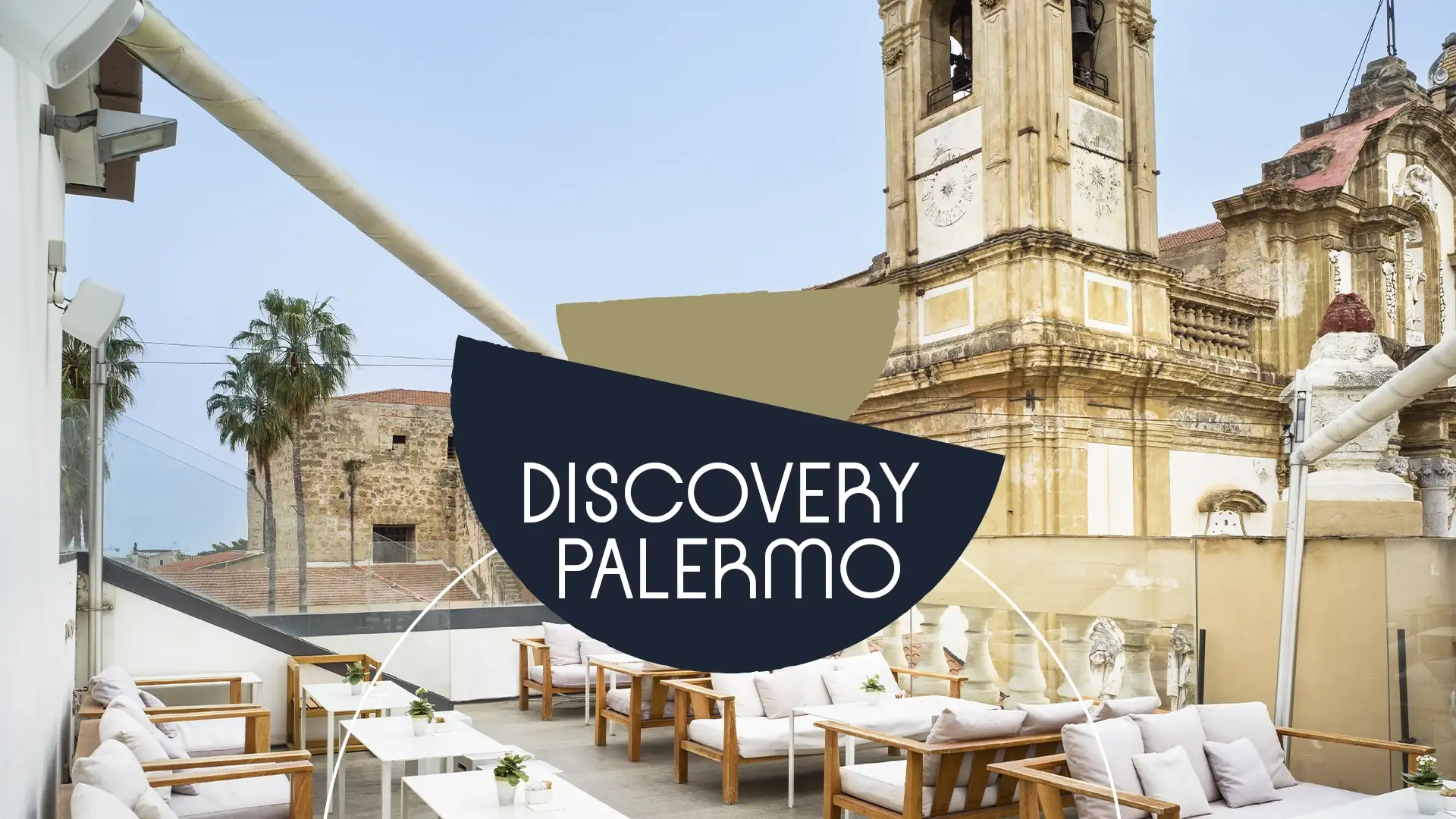
It is from this idea that Discovery Palermo was born: a small itinerary to enjoy before or after a visit to Obicà Palermo, located in the Food Hall on the fourth floor of Rinascente, guiding you through some of the places that best tell the story of the city’s identity.
First stop: Piazza Caracciolo
In the heart of the Vucciria district, Piazza Caracciolo is one of the places that best captures Palermo’s many souls.
For centuries, it was at the centre of one of the city’s liveliest markets, a crossroads for merchants, fishermen and travellers arriving from across the Mediterranean. Even today, among weathered buildings and narrow streets converging on the square, echoes of that history can still be felt.
Yet Piazza Caracciolo is also a symbol of Palermo’s remarkable ability to reinvent itself. As the sun sets, the market gives way to a new energy: music, social gatherings and nightlife fill the square, transforming it into one of the most vibrant corners of the historic centre.
Second stop: Santa Maria dell’Ammiraglio and San Cataldo
In the heart of Piazza Bellini stand two of the most fascinating symbols of multicultural Palermo.
On one side is Santa Maria dell’Ammiraglio, also known as La Martorana, renowned for its extraordinary Byzantine mosaics. On the other stands San Cataldo, instantly recognisable thanks to the iconic red domes that define the square’s skyline.
Two neighbouring buildings, yet profoundly different, telling the story of the encounter between cultures, religions and worldviews that has made Palermo one of the Mediterranean’s most remarkable cities.
Third stop: Pretoria Fountain
Monumental, theatrical and impossible to overlook.
The Pretoria Fountain appears as an open-air marble theatre. Originally created in Florence and transferred to Palermo in the sixteenth century, it immediately caused a sensation due to the nudity of its statues depicting nymphs, deities and allegorical figures.
This is precisely what earned it the famous nickname Fountain of Shame, a name still used by locals today.
Combining Renaissance elegance with a provocative spirit, it remains one of the city’s most iconic and photographed landmarks.
Fourth stop: the Trapezoidal Pier
The latest addition to Palermo’s contemporary landscape looks directly towards the sea.
Recently returned to the city, the Trapezoidal Pier represents a renewed connection between Palermo and its port, which for centuries served as a gateway for merchants, travellers and cultures arriving from every corner of the Mediterranean.
An open, light-filled waterfront space that invites visitors to slow down and experience Palermo from a different perspective: that of the sea, which has shaped the city’s story for centuries.
Discover the full itinerary, stop by stop!
And to complete the journey, return to where it began: Obicà Palermo, located at the 4th Floor of Rinascente Food Hall.
A place where Italian excellence, conviviality and contemporary spirit come together in the heart of a city that has always thrived on cultural exchange and encounters.